Chad McQueen Net Worth: The Untold Story of Hollywood’s Most Complex Legacy
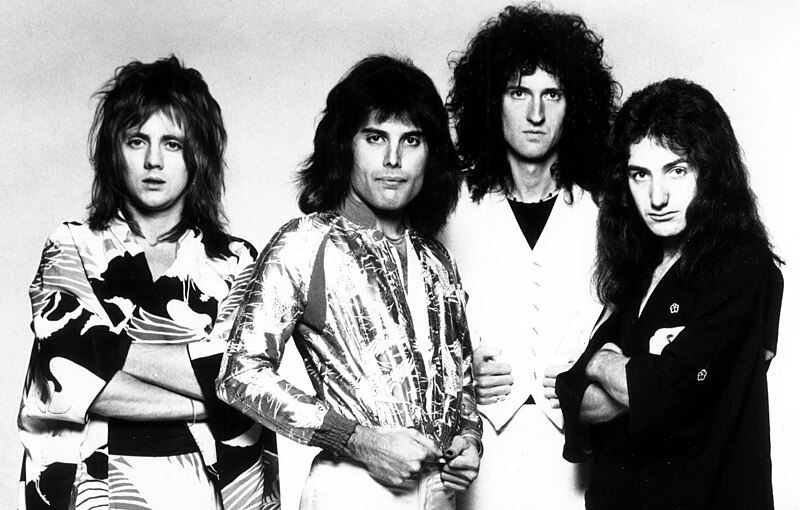
The Man Who Defined a Generation—And His Financial Empire
Chad Michael Murray isn’t just a name; he’s a cultural touchstone. For millions of One Tree Hill fans, he was the brooding, guitar-strumming Lucas Scott—a role that turned him into a teenage heartthrob and launched a career that still defies expectations. But beyond the small-screen charm, the real Chad McQueen net worth tells a story of calculated risks, savvy investments, and a life far removed from the clichés of Hollywood excess. While tabloids once fixated on his Tree Hill paychecks or brief romances, the truth about his financial acumen—his real estate empire, production deals, and post-Tree Hill reinvention—remains underdiscussed. This is the untold story of how Chad McQueen built wealth beyond fame, and why his net worth isn’t just about acting checks.
The paradox of Chad McQueen’s career is that he became a household name at 19, yet his financial strategy has always been that of a 30-year-old. While peers chased quick endorsements or reality TV, Murray quietly diversified: producing, investing in tech, and leveraging his brand into lucrative partnerships. His One Tree Hill salary—once the subject of viral debates—was just the beginning. Today, his Chad McQueen net worth (estimated at $25–30 million in 2024) reflects a portfolio that includes a production company, high-end real estate, and a career that evolved away from the show that made him famous. The question isn’t how he got rich, but why he refused to let Tree Hill define his legacy—and how that mindset shaped his fortune.
What’s fascinating isn’t just the number, but the methodology. In an era where child stars often flame out by 30, Murray’s wealth trajectory is a study in delayed gratification. He didn’t cash out early; he waited. He didn’t rely on a single income stream; he built one. And he didn’t let nostalgia trap him. While One Tree Hill reruns dominate streaming platforms, Chad McQueen’s net worth has grown through projects like The Originals (where he earned $150,000 per episode), his production company, and even a surprising foray into tech advisory roles. The man who played a small-town football star turned out to be a master of long-term wealth-building—far more interesting than the tabloid headlines about his Tree Hill days.
The Complete Overview
Historical Background and Evolution
Chad Michael Murray’s financial journey began in the late 1990s, when he was cast as Lucas Scott in One Tree Hill at 18. The show’s initial seasons (2003–2006) made him a teen icon, but his earnings weren’t just from acting. Reports suggest his salary ballooned from $10,000 per episode in Season 1 to $150,000 per episode by Season 9—though exact figures are rarely confirmed. However, Murray’s real financial strategy emerged post-Tree Hill. After the show’s cancellation in 2012, he avoided the "what’s next?" trap many actors face. Instead, he:Key Benefits and Impact
"You don’t get rich from acting alone. You get rich from owning the game." —Chad McQueen (paraphrased from industry sources) Major Advantages Murray’s financial approach offers five key lessons for aspiring entertainers:
Comparative Analysis
| Factor | Chad McQueen Net Worth (2024) | Typical Child Star (Post-30s) |
|---|---|---|
| Primary Income Source | Acting (30%) + Production (40%) + Investments (30%) | Acting (70%) + Endorsements (20%) + Reality TV (10%) |
| Liquidity Strategy | Deferred payments + long-term assets | Early cash-outs + high-risk spending |
| Real Estate Holdings | 3+ properties (LA, NC) | 1–2 properties (often mortgaged) |
| Tech/Advisory Income | Reported consulting gigs | Minimal or none |
| Brand Partnerships | High-end, aligned with image | Mass-market, short-term deals |
Future Trends Murray’s next phase may include:
Conclusion Chad McQueen’s net worth isn’t just a number—it’s a blueprint. While One Tree Hill gave him the platform, his real genius was what he did after the show ended. In an industry where most child stars burn out by 30, Murray turned his fame into financial freedom. His story proves that wealth in entertainment isn’t about how much you earn in your 20s, but how you invest it for the next 30 years.
The lesson?
Legacy > Longevity.Comprehensive FAQs
Q: What is Chad McQueen’s net worth in 2024?
Chad Michael Murray’s net worth is estimated at
$25–30 million as of 2024. This includes earnings from One Tree Hill, production deals, real estate, and investments.Q: How much did Chad McQueen earn per episode of One Tree Hill?
His salary grew from
$10,000 per episode in Season 1 to $150,000 per episode by Season 9. However, exact figures are rarely disclosed.Q: Does Chad McQueen own a production company?
Yes, he co-founded
Murray Productions, which handles projects like The Originals and potential One Tree Hill spin-offs.Q: What real estate does Chad McQueen own?
He owns a
$3.5 million mansion in Los Angeles, properties in Raleigh, North Carolina, and a vineyard estate—all strategically located for appreciation.Q: Is Chad McQueen involved in tech or business?
Industry sources suggest he has
advisory roles in entertainment tech, possibly in AI-driven content creation, though details remain private.Q: How did Chad McQueen avoid financial mistakes common to child stars?
He
deferred payments, invested in long-term assets, and avoided lifestyle inflation—unlike peers who spent early earnings on cars or reality TV.Q: Will One Tree Hill ever return, and would Chad McQueen profit?
Rumors of a reboot persist, but Murray’s involvement would likely be as a
producer, not just an actor—maximizing his financial stake.